


The best way to predict the future is to create it
Peter Drucker
New possibilities raise new questions – for businesses, for leadership and for the way we make decisions. Here you will find reflections and publications from my daily work on these topics. An invitation to explore, question, discuss and take the thinking further.
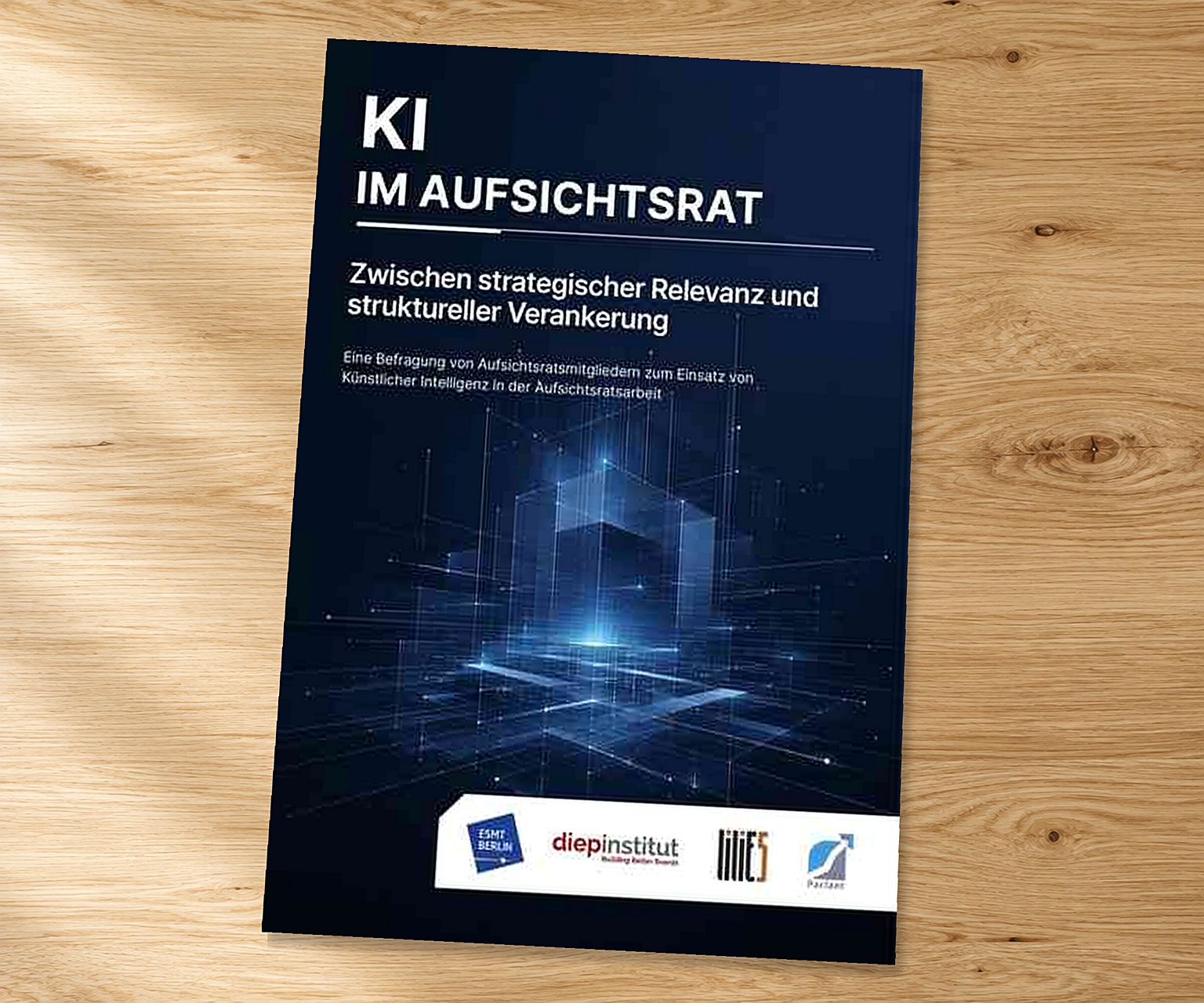
Together with my co-authors, Bianca Schmitz, Peter Henning and Peter Ruhwedel, we surveyed more than 30 supervisory board members about how they view the use of artificial intelligence in their own work. The findings reveal a gap between its strategic relevance and the structures needed to put it into practice, often accompanied by gaps in knowledge.
This also raises fundamental questions: What do we expect from artificial intelligence? How can it support the board’s work in practical terms? And how much understanding do board members need to fulfil their responsibilities? The survey offers interesting insights and raises further questions.
The study provides a starting point for discussing these questions within your own board, building knowledge and exploring possible next steps. Get in touch.
What can artificial intelligence contribute to Finance and HR – and how ready is your organisation? My new AI Maturity Assessment provides a structured basis for answering these questions in your organisation. Through focused interviews and a joint review of processes, data, systems and skills, we establish where you stand. People matter just as much as the technical foundations: What is already being used? Where are knowledge or suitable conditions missing? And where is there a willingness to try new approaches?
These structured conversations support the evaluation of artificial intelligence and other approaches to process design, helping to weigh benefits against effort and set priorities for the way forward. This turns a general discussion about artificial intelligence into a practical assessment of your organisation.
In July, I worked through the assessment with others for the first time. I really enjoyed it!
Conversations with leaders and teams turn broad developments into specific questions for their organisation: What is changing with new technology? What expectations do different generations bring to leadership and collaboration? And what does this mean for our day-to-day work?
Larger groups bring together experiences and perspectives that rarely get discussed in the same room. I contribute ideas and structure the conversation, making space for different expectations and concerns. Together, we explore what these topics mean for the participants and which approaches they want to pursue. It gets particularly interesting when the discussion takes a direction nobody anticipated. And that happens quite often.
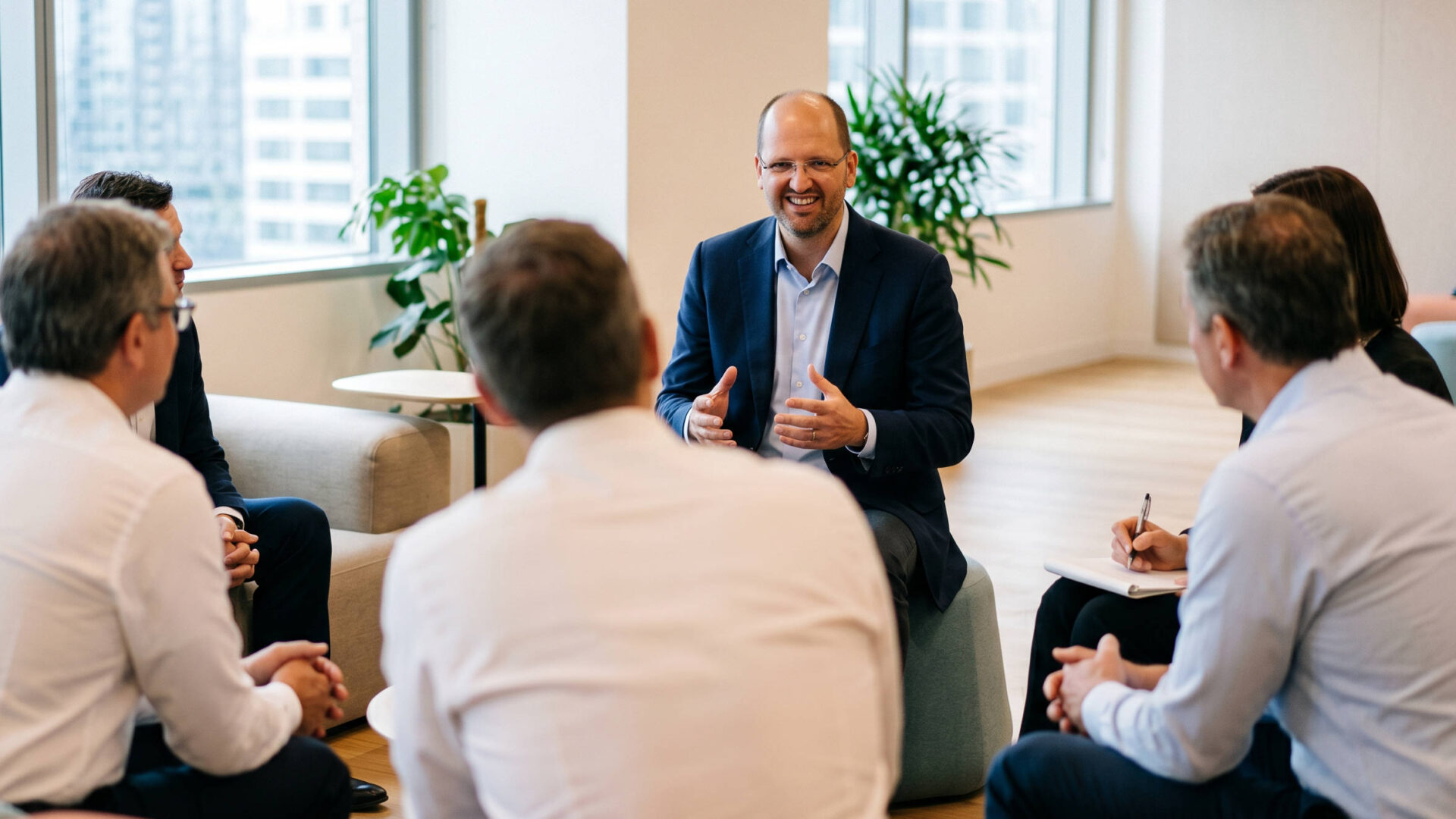
I enjoy being on stage and exchanging views with fellow leaders – as a panel participant, a moderator or a listener in the audience. These formats keep reminding me how many questions about leadership, transformation and the use of artificial intelligence remain open.
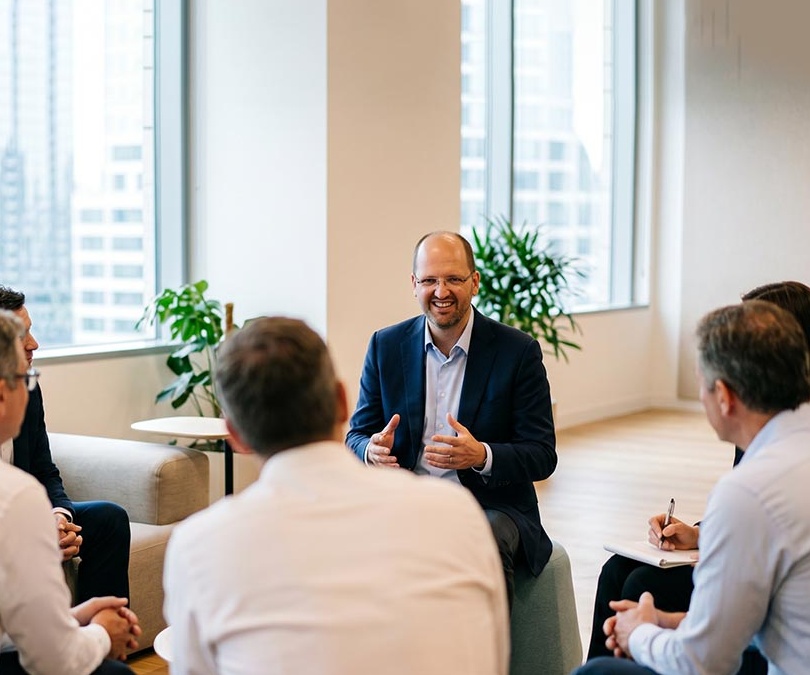
Things get particularly interesting when different experiences meet: What is already working in practice? Where are the difficulties? And which supposed certainties fail to stand up to discussion? I regularly take away new perspectives and questions that inform my subsequent work. Pictured here at an event for supervisory board members.
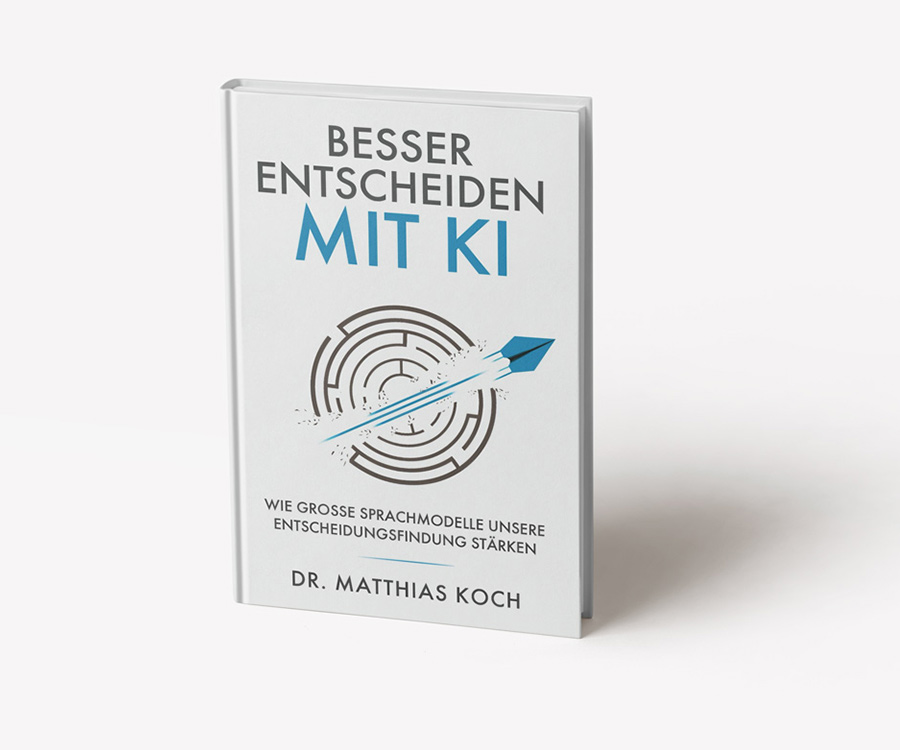
In my book Better Decisions with AI, I explore how artificial intelligence can help people make clearer, more structured, and more conscious decisions. The focus is not on the technology itself, but on its practical value for leadership, organizations, and personal decision-making ability. Many leaders recognize their own blind spots while reading – which is often the starting point for a coaching engagement in which we apply these questions concretely to their own role.
Peter Drucker